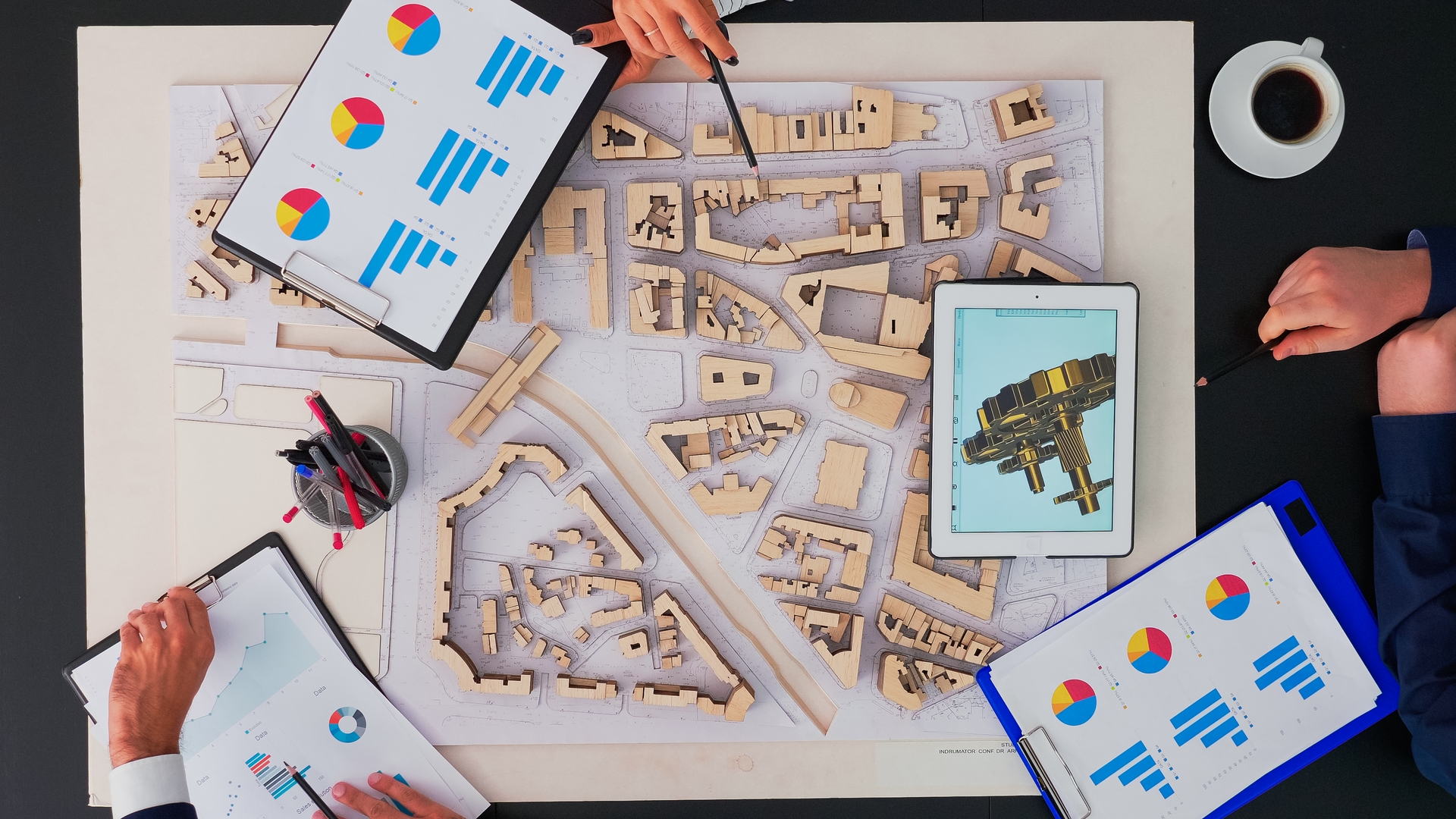
Urban planning is the art and science of organizing land use, infrastructure, and services to create functional, vibrant communities. It balances the needs of residents, businesses, and the environment while anticipating future growth. At its heart, good planning fosters social equity, economic opportunity, and environmental resilience. Whether you’re a policymaker, designer, or concerned citizen, understanding its principles helps you shape the places where people live, work, and play.
The Core Principles of Urban Planning
- Equity: ensuring all neighborhoods have access to affordable housing, parks, and transit
- Sustainability: reducing carbon footprints through green infrastructure and renewable energy
- Resilience: designing systems that adapt to climate risks like flooding or heatwaves
- Connectivity: weaving streets, public transit, and bike lanes into an integrated network
Key Challenges Facing Cities Today
Rapid urban growth places immense pressure on housing markets and public services. Aging infrastructure struggles to keep pace with modern demands for digital connectivity and clean energy. Social inequality often concentrates poverty and pollution in the same neighborhoods. Meanwhile, climate change intensifies storms, floods, and heat, demanding more adaptive design approaches.
Innovative Approaches and Case Studies
City Innovation Impact Copenhagen Extensive bike network 62% commute by bike, lower emissions Curitiba Bus rapid transit High ridership, cost-effective public transit Singapore Urban greening Cooler microclimates, increased biodiversity
These examples show how targeted interventions can transform mobility, health, and the environment.
Strategies for Inclusive and Sustainable Growth
- Engage communities early to reflect local needs
- Promote mixed-use development for vibrant, walkable neighborhoods
- Prioritize transit-oriented corridors to reduce car dependency
- Invest in green infrastructure like rain gardens and urban forests
- Leverage data and digital twins for smarter decision-making
Conclusion: Crafting Vibrant Urban Futures
Urban planning is not a one-size-fits-all endeavor. It thrives on collaboration between governments, designers, developers, and residents. By weaving together equity, sustainability, and innovation, we can build cities that uplift every community member. Your voice matters in steering policy, championing new ideas, or simply advocating for a greener, more connected neighborhood.
Further Topics to Explore
- Tactical urbanism and pop-up plazas
- Smart cities and the Internet of Things
- Historic preservation in rapidly changing districts
- Equity mapping and participatory budgeting
- Climate adaptation master plans
Dive into these threads to deepen your understanding of how cities evolve and how you can be part of the transformation.